Understanding what happens inside your restorative dentistry appointment — what happens at each stage in New Port Richey — helps ease anxiety before you even sit in the chair. Many patients feel nervous simply because the process feels unknown. At Able Dental of New Port Richey, Dr. Asfour and his team believe informed patients are comfortable patients. This guide walks you through every phase of a typical restorative visit so nothing catches you off guard.
Stage One: Your Initial Exam and Treatment Planning in New Port Richey
Every restorative dentistry appointment begins with a thorough clinical examination. Dr. Asfour reviews your dental and medical history before looking inside your mouth. He checks existing teeth, gum tissue, bite alignment, and any previous restorations. This step gives the team a full picture of your oral health before any treatment begins.
Digital X-rays are taken if needed. These images reveal decay, bone levels, and issues invisible to the naked eye. The entire diagnostic process is gentle and usually takes under 15 minutes. You will feel no discomfort during this stage.
Once the exam is complete, Dr. Asfour explains his findings clearly. He describes what needs treatment and why. He also presents the options available to you. You leave this conversation with a clear plan and no unanswered questions.
- Review of dental and medical history
- Visual examination of teeth and gums
- Digital X-rays when clinically indicated
- Clear explanation of findings and treatment options
- Opportunity to ask questions before proceeding
Stage Two: Preparing the Treatment Area for Comfort
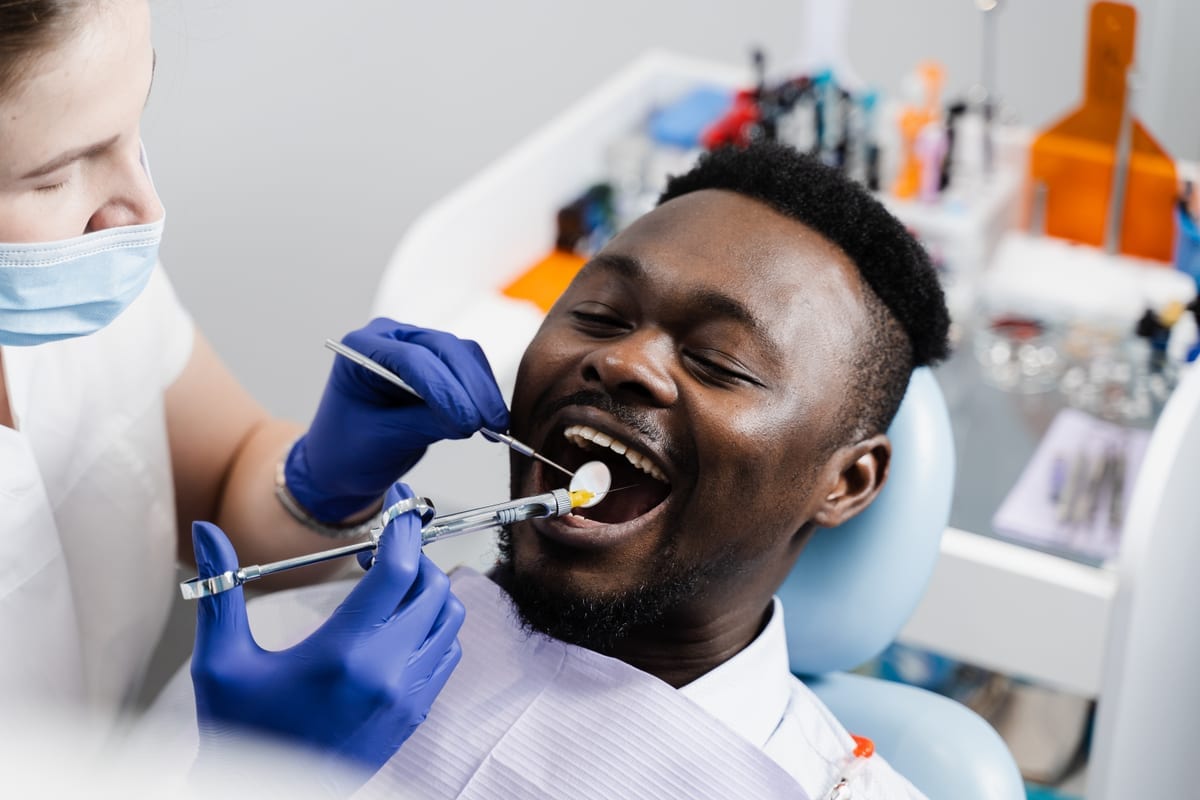
Before any restorative work begins, the team focuses entirely on your comfort. A topical numbing gel is applied to the gum tissue first. This desensitizes the area before any injection is given. Most patients barely feel the anesthetic needle because of this step.
Local anesthetic is then carefully administered by Dr. Asfour. He uses a slow, controlled technique to minimize discomfort. You may feel a mild pressure sensation, but pain should not occur. The team always pauses to confirm you feel comfortable before moving forward.
Once the area is fully numb, treatment can begin safely. The numbness typically lasts one to three hours depending on the anesthetic used. If you feel any discomfort during the procedure, simply raise your hand. The team stops immediately and addresses it.
Stage Three: The Restorative Procedure Itself — What Each Treatment Involves
The specific steps at this stage depend on the type of restoration you need. Common restorative treatments at Able Dental include dental fillings, crowns, and dental implants. Each one follows a distinct process, but all share the same goal: restoring function and protecting your tooth.
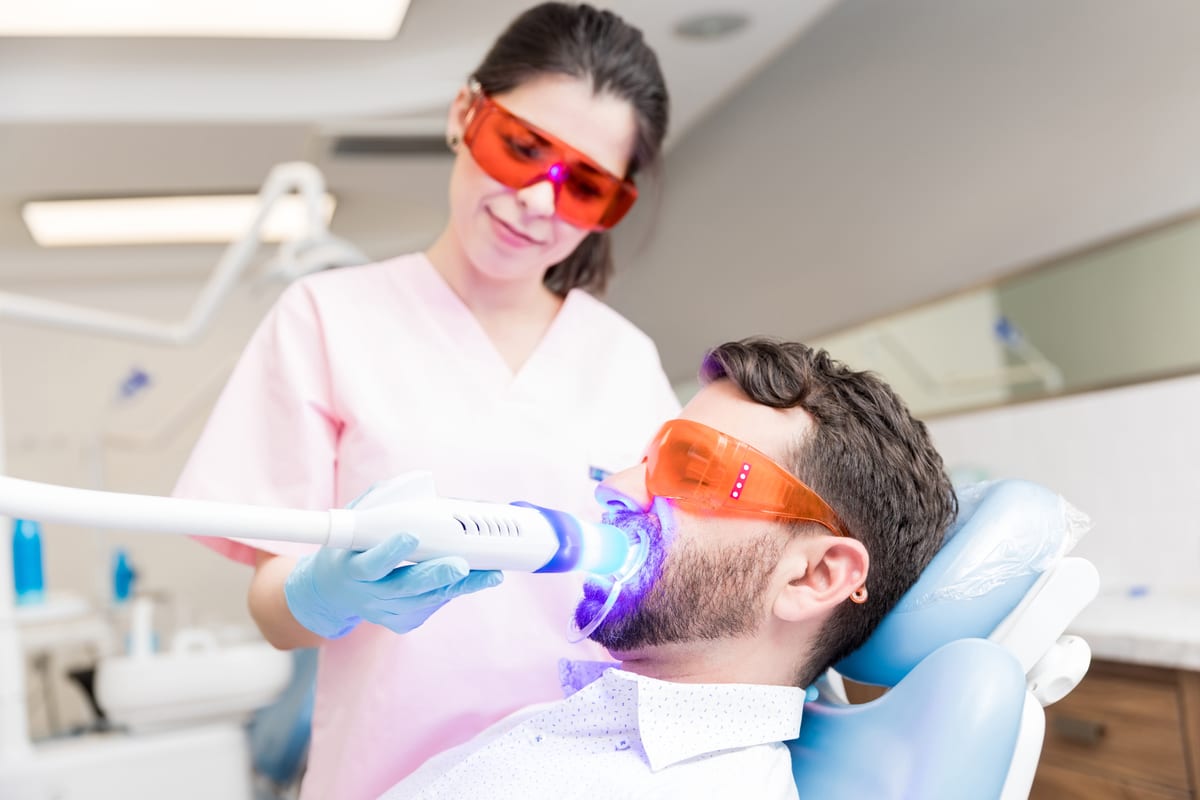
Dental Fillings: Dr. Asfour removes decayed tooth structure using a dental handpiece. The cavity is cleaned and conditioned. A tooth-colored composite material is placed in layers and hardened with a curing light. The filling is then shaped and polished to match your bite.
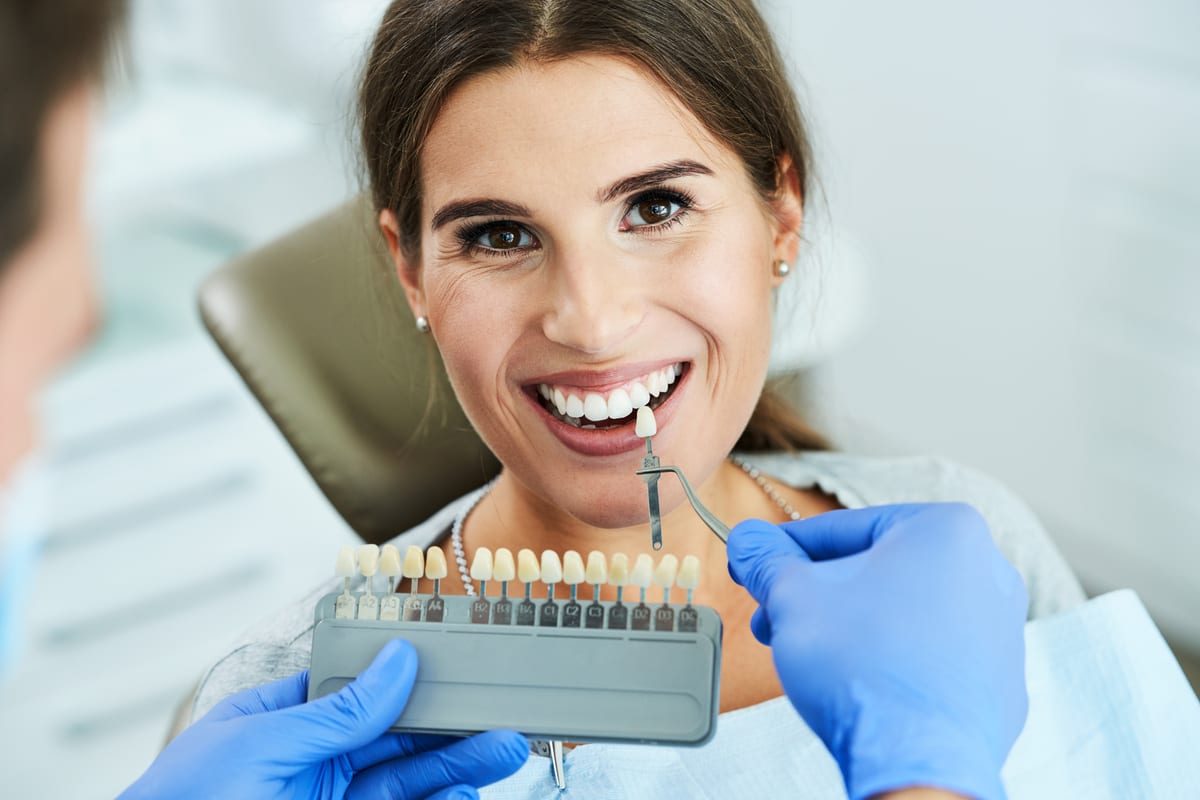
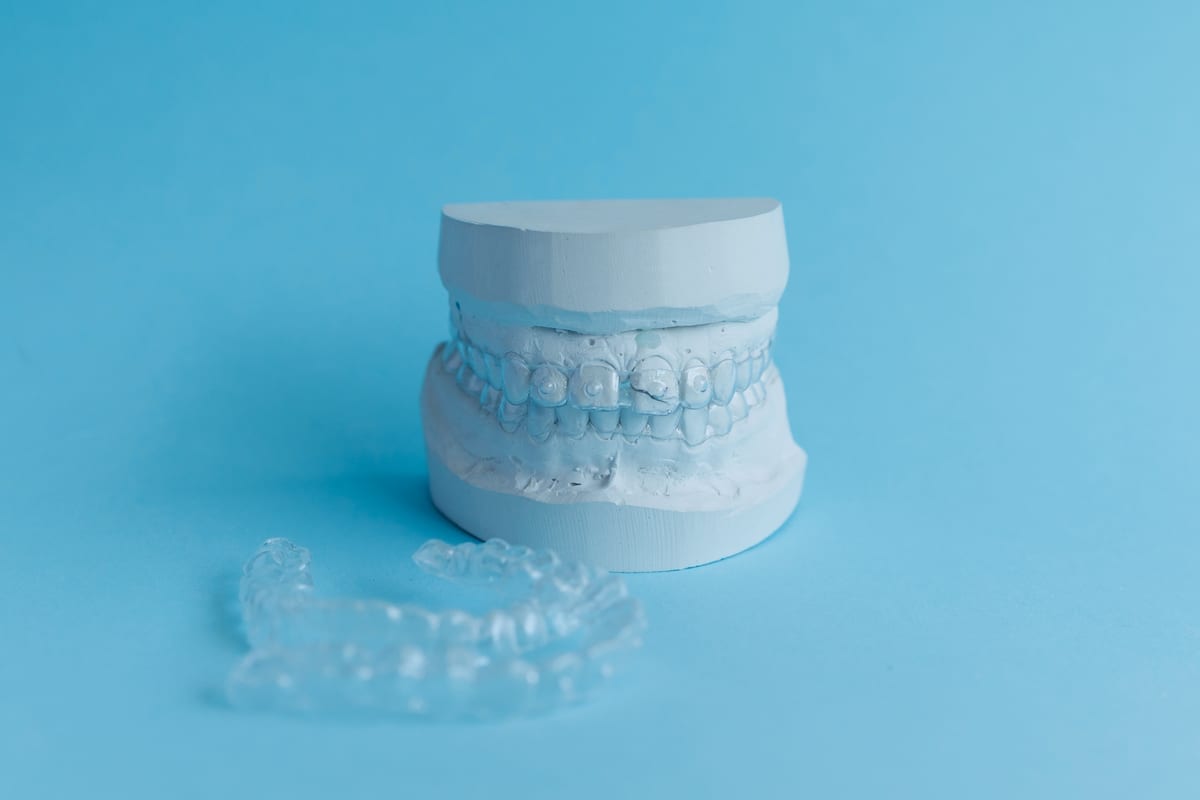
Dental Crowns: The tooth is reshaped to create space for the crown. An impression or digital scan captures the exact dimensions. A temporary crown protects the tooth while the permanent one is fabricated. At a follow-up visit, the custom crown is cemented into place.
Dental Implants: This multi-stage process begins with a minor surgical procedure. A small titanium post is placed into the jawbone. Over several months the bone bonds with the implant in a process called osseointegration. A crown is then attached to complete the restoration.
- Fillings restore small to moderate areas of decay quickly
- Crowns protect and rebuild severely damaged teeth
- Implants replace missing teeth at the root level
- All procedures use local anesthetic for pain-free treatment
- Modern materials match the natural appearance of your teeth
Stage Four: Post-Procedure Care and What to Expect After Your Visit
Once the restoration is complete, Dr. Asfour reviews aftercare instructions with you directly. These instructions vary slightly depending on the procedure performed. Following them carefully protects your new restoration and speeds healing. The team provides written instructions so nothing is forgotten.
Mild sensitivity is normal after restorative treatment. It usually fades within a few days. Over-the-counter pain relievers are typically sufficient to manage any discomfort. You should avoid very hot, cold, or hard foods for the first 24 to 48 hours.
If you experience sharp pain, prolonged sensitivity, or a bite that feels uneven, contact the practice right away. These symptoms can indicate the restoration needs a minor adjustment. Addressing them quickly prevents further discomfort. For urgent concerns, information about Dental Emergencies New Port Richey is available on the Able Dental website.
Patients who maintain regular preventative care appointments protect their restorations long-term. Routine cleanings and exams help Dr. Asfour catch new issues early. Good home care — brushing, flossing, and rinsing — extends the life of every restoration significantly. Consistent follow-through makes the difference between a restoration that lasts years and one that fails prematurely.
How Able Dental Makes the Entire Process Easier for New Port Richey Patients
Dr. Asfour and the Able Dental team understand that dental visits can feel stressful. The practice is designed to reduce that stress at every stage. From the welcoming front desk to the calm treatment rooms, comfort is a priority throughout. Patients consistently report feeling at ease from check-in to check-out.
The team communicates clearly at every step. They explain what they are doing before they do it. They check in with you throughout the procedure. You are never left wondering what comes next.
If you have questions about financial arrangements, the team is happy to discuss available options. Patients who use Delta Dental New Port Richey benefits can learn how to apply their coverage toward restorative care. The front desk team guides you through the process with patience and clarity.
Restorative dentistry at Able Dental is built around education, transparency, and genuine care for every patient. Understanding inside your restorative dentistry appointment — what happens at each stage in New Port Richey — removes the fear of the unknown. When patients know what to expect, they show up confident and ready. That confidence leads to better outcomes for everyone. Book Now to schedule your appointment with our team.
Frequently Asked Questions
How long does a restorative dentistry appointment typically take?
The length depends on the type of restoration. A simple filling may take 30 to 60 minutes. A crown preparation visit typically takes 60 to 90 minutes. Implant procedures vary more widely since they involve multiple stages over several months.
Will I feel pain during the procedure?
Dr. Asfour uses local anesthetic to numb the treatment area before starting. Most patients feel only pressure or vibration, not pain. If discomfort occurs at any point, raise your hand and the team will stop and adjust immediately.
How do I care for my restoration at home?
Brush twice daily with a soft-bristle toothbrush and fluoride toothpaste. Floss once daily, being gentle around crowns and implants. Avoid chewing ice or very hard foods that could crack restorations. Regular dental visits help monitor the restoration over time.
How long do dental restorations last?
Composite fillings typically last 7 to 10 years with good care. Porcelain crowns can last 10 to 15 years or longer. Dental implants are designed to last a lifetime when properly maintained. The longevity of any restoration depends heavily on your home care routine and regular professional cleanings.
What should I do if my restoration feels loose or uncomfortable?
Contact Able Dental of New Port Richey as soon as possible. A loose crown or filling can expose the tooth to bacteria and further damage. Do not delay — prompt treatment prevents a minor issue from becoming a more complex problem.