Not everyone walks away from teeth whitening with the same results. Some patients see dramatic improvements after a single session. Others notice little to no change at all. If you are asking will professional teeth whitening actually work for you in New Port Richey, the honest answer depends on what is causing your discoloration in the first place.
Dr. Asfour at Able Dental of New Port Richey wants patients to make informed decisions before investing in any cosmetic treatment. This guide will help you self-screen and understand what whitening can and cannot do for your smile.
How Professional Teeth Whitening Works
Professional whitening uses a concentrated peroxide-based gel applied directly to your teeth. The active ingredient penetrates the outer enamel layer and breaks apart stain molecules. This process is highly effective for certain types of discoloration.
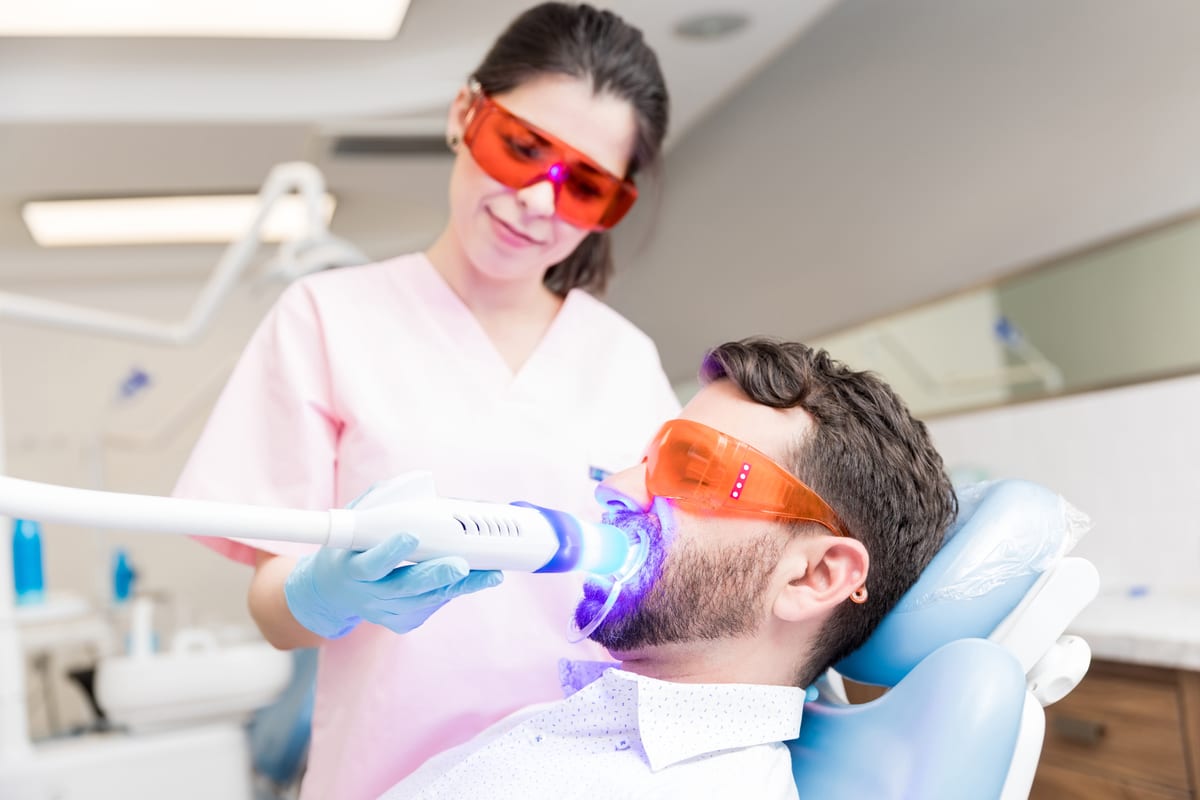
In-office treatments deliver stronger results than over-the-counter strips or trays. Dr. Asfour can customize the concentration and application time for your specific needs. You can typically see noticeable results after just one appointment.
There are two main delivery methods used at dental offices:
- In-office whitening: A high-concentration gel is applied by a dental professional for immediate, dramatic results.
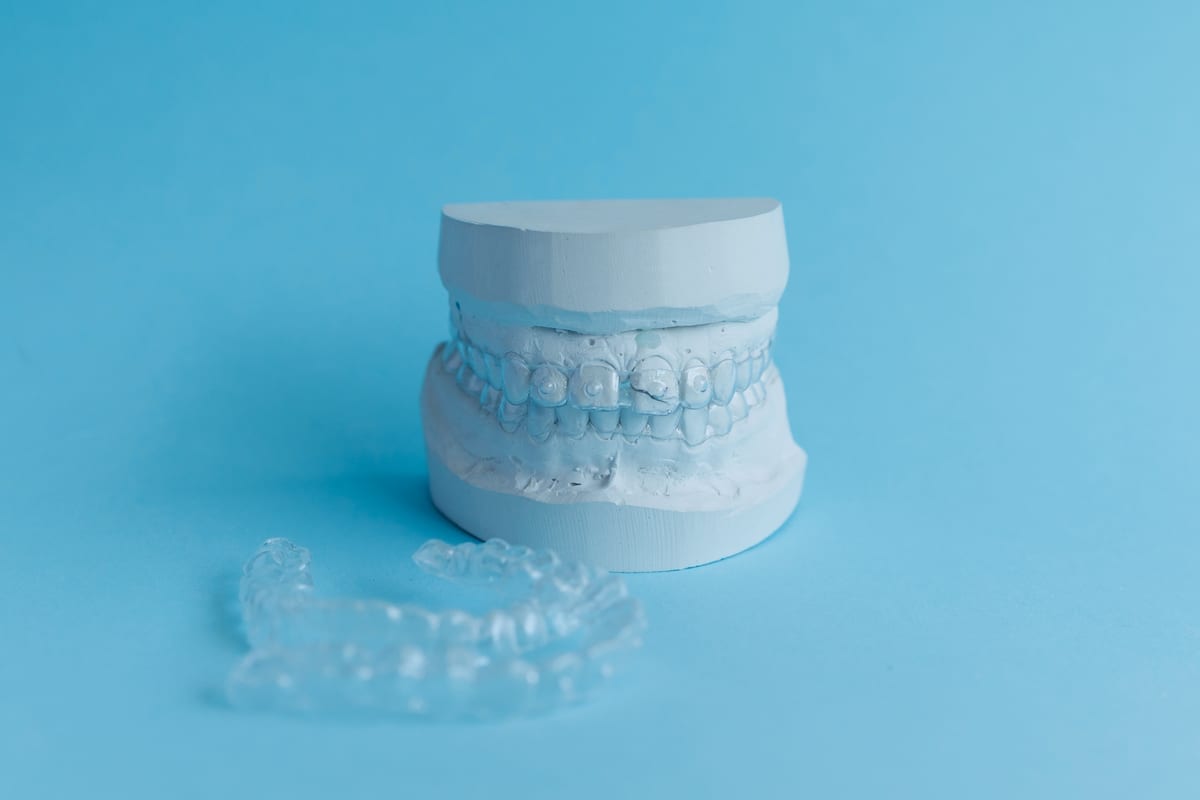
- Take-home custom trays: Custom-fitted trays hold a professional-grade gel against your teeth over several days or weeks.
- Combination approach: Some patients start with an in-office session and maintain results with take-home trays.
Both methods are significantly more effective than anything available at a drugstore. The key difference is the strength of the whitening agent and the precision of application.
Who Gets the Best Results From Whitening in New Port Richey
Whitening works best on extrinsic stains — discoloration that sits on the surface of the enamel. These stains come from outside sources and respond well to peroxide-based treatments.
You are likely an excellent candidate if your staining comes from any of these sources:
- Coffee, tea, or red wine consumption
- Tobacco use or smoking history
- Certain foods like berries, tomato sauce, or curries
- General yellowing due to aging
- Poor oral hygiene habits over time
Patients with healthy enamel and natural teeth tend to see the most significant whitening results. If your teeth are structurally sound and free of extensive restorations, you are likely a strong candidate.
It is also important to have good gum health before starting any whitening treatment. Patients with active gum disease or untreated cavities should address those issues first. Whitening gel can irritate already-compromised tissue.
When Whitening May Not Work — And Why
This is the section most whitening advertisements skip. There are several situations where professional whitening will not deliver the results you expect. Understanding these limitations helps you set realistic expectations.
Intrinsic stains originate inside the tooth structure itself. These stains do not respond to peroxide-based whitening because the discoloration is not on the surface. No amount of professional treatment will change them through external application alone.
Common causes of intrinsic staining include:
- Tetracycline antibiotic use: Taken during childhood tooth development, this medication causes deep gray or brown banding inside the tooth.
- Fluorosis: Excessive fluoride intake during childhood can leave white spots or brown streaks on enamel.
- Trauma: A tooth that experienced injury may darken from the inside as pulp tissue breaks down.
- Dentin exposure: Worn enamel reveals the naturally darker dentin layer beneath, which whitening cannot reverse.
Medication-induced staining is one of the most common reasons whitening underperforms. If you took tetracycline as a child or used minocycline as a teenager, whitening may produce disappointing results. Veneers or bonding are usually better solutions in these cases.
Restorations That Whitening Cannot Change
This is critical information if you already have dental work in your mouth. Whitening gel only affects natural tooth enamel. It has no impact on any artificial dental material.
If you have any of the following, whitening will not change their color:
- Dental crowns
- Porcelain veneers
- Tooth-colored fillings or bonding
- Dental implant crowns
- Bridges or other fixed restorations
This creates a potential mismatch problem. If you whiten your natural teeth, they may end up lighter than your existing restorations. You could end up with an uneven smile that is more noticeable than before.
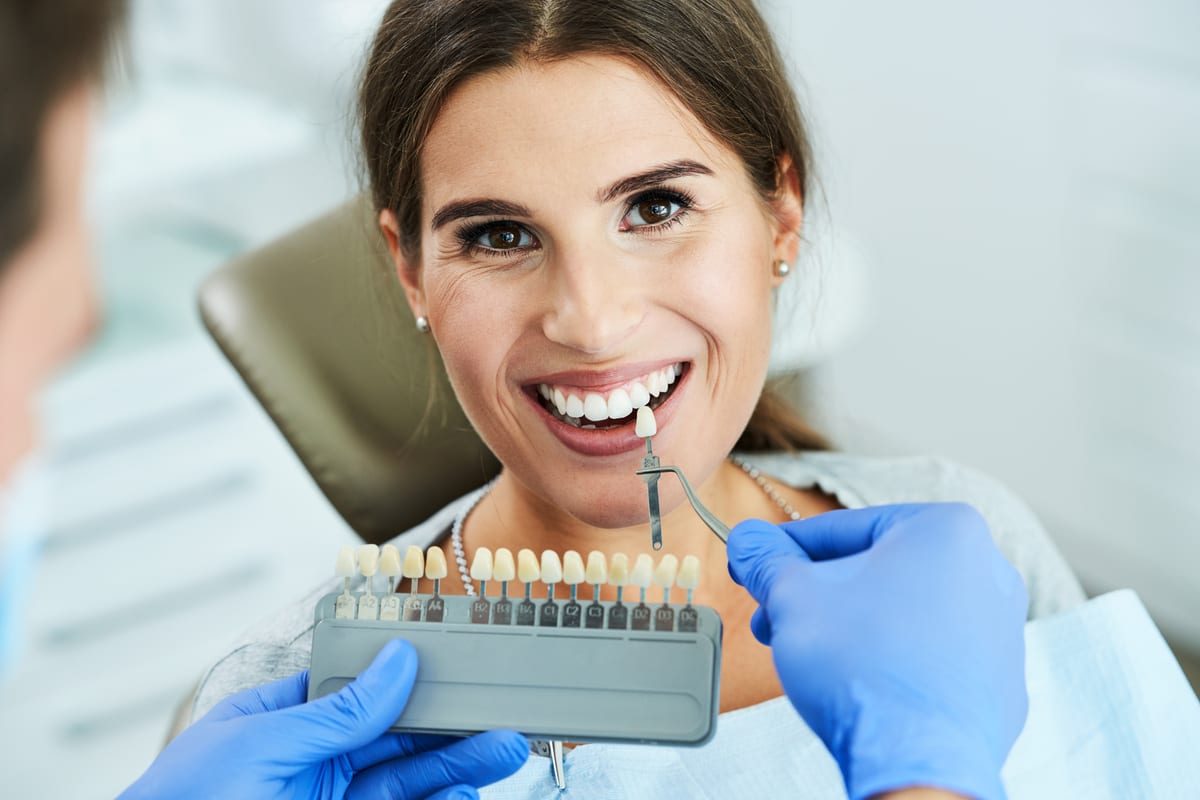
Dr. Asfour recommends discussing all existing restorations during your consultation. The goal is a uniform, natural-looking result across your entire smile. In some cases, the better approach is to whiten first, then replace old restorations to match your new tooth shade.
Sensitivity and Other Factors to Consider
Tooth sensitivity is a common side effect of whitening treatments. Most patients experience temporary sensitivity during or after treatment. This usually resolves within 24 to 48 hours.
However, patients with pre-existing sensitivity or thin enamel may find whitening uncomfortable. Dr. Asfour can recommend lower-concentration gels or desensitizing treatments to minimize discomfort. There are options for nearly every sensitivity level.
Other factors that influence your candidacy include:
- Age of the patient: Whitening is not recommended for children or teenagers whose teeth are still developing.
- Pregnancy: Whitening is generally postponed until after delivery as a precaution.
- Gum recession: Exposed root surfaces are more porous and can whiten unevenly or become overly sensitive.
Being honest about your dental history during your consultation gives Dr. Asfour the full picture. The more information you share, the more accurately we can predict your results.
What to Do If You Are Not an Ideal Candidate
Not being a perfect candidate for whitening does not mean you cannot achieve a brighter smile. It simply means a different approach may serve you better.
Patients with intrinsic staining, tetracycline discoloration, or significant restorations often achieve stunning results with cosmetic alternatives. Porcelain veneers can completely mask deep staining and reshape teeth simultaneously. Composite bonding is a more affordable option for isolated problem areas.
If your concerns are more structural, restorative options like crowns may address both function and appearance. Dr. Asfour takes a whole-mouth approach to cosmetic consultations. The goal is always to find the most effective solution for your unique situation — not just the most popular one.
Conclusion: Start With a Consultation
Professional teeth whitening is one of the most effective cosmetic treatments available — for the right candidate. The key is understanding what type of staining you have and what existing dental work might affect your results. A professional evaluation is always the best first step.
At Able Dental of New Port Richey, Dr. Asfour takes the time to assess your individual smile before recommending any whitening treatment. We want you to feel confident about your investment and your results. Book Now to schedule your appointment with our team.
Frequently Asked Questions
Will teeth whitening work on yellow teeth caused by aging?
Yes, in most cases. Age-related yellowing typically comes from years of surface staining combined with natural enamel thinning. Professional whitening can significantly lighten this type of discoloration. Dr. Asfour can give you a realistic estimate after evaluating your teeth in person.
Can I whiten my teeth if I have crowns or veneers?
Whitening gel does not change the color of crowns, veneers, or other restorations. Your natural teeth may lighten while restorations stay the same shade. This can create an uneven appearance. Discuss your existing dental work with Dr. Asfour before starting any whitening treatment.
How long do professional whitening results last?
Results typically last anywhere from six months to two years depending on your diet and habits. Coffee, tea, red wine, and tobacco will re-stain teeth over time. Maintenance with custom take-home trays can extend your results significantly. Touch-up treatments are simple and straightforward.
Is professional whitening safe for sensitive teeth?
Many patients with sensitivity can still whiten safely with the right protocol. Dr. Asfour may recommend a lower-concentration gel, shorter treatment sessions, or a desensitizing pre-treatment. The goal is to minimize discomfort while still achieving meaningful results. Always disclose any existing sensitivity during your consultation.
What is the difference between intrinsic and extrinsic staining?
Extrinsic stains sit on the surface of the enamel and are caused by food, drinks, and tobacco. These respond well to professional whitening. Intrinsic stains are inside the tooth structure itself and are caused by factors like medication, trauma, or fluorosis. Intrinsic stains typically require cosmetic treatments like veneers rather than whitening.