If you have a chipped tooth, a gap, or surface discoloration, you have options. Two of the most popular cosmetic fixes are dental veneers and dental bonding. For patients researching veneers vs. bonding in New Port Richey, understanding the key differences is essential before making a decision. Dr. Asfour at Able Dental of New Port Richey breaks down both treatments so you can choose with confidence.
What Are Veneers and Dental Bonding?
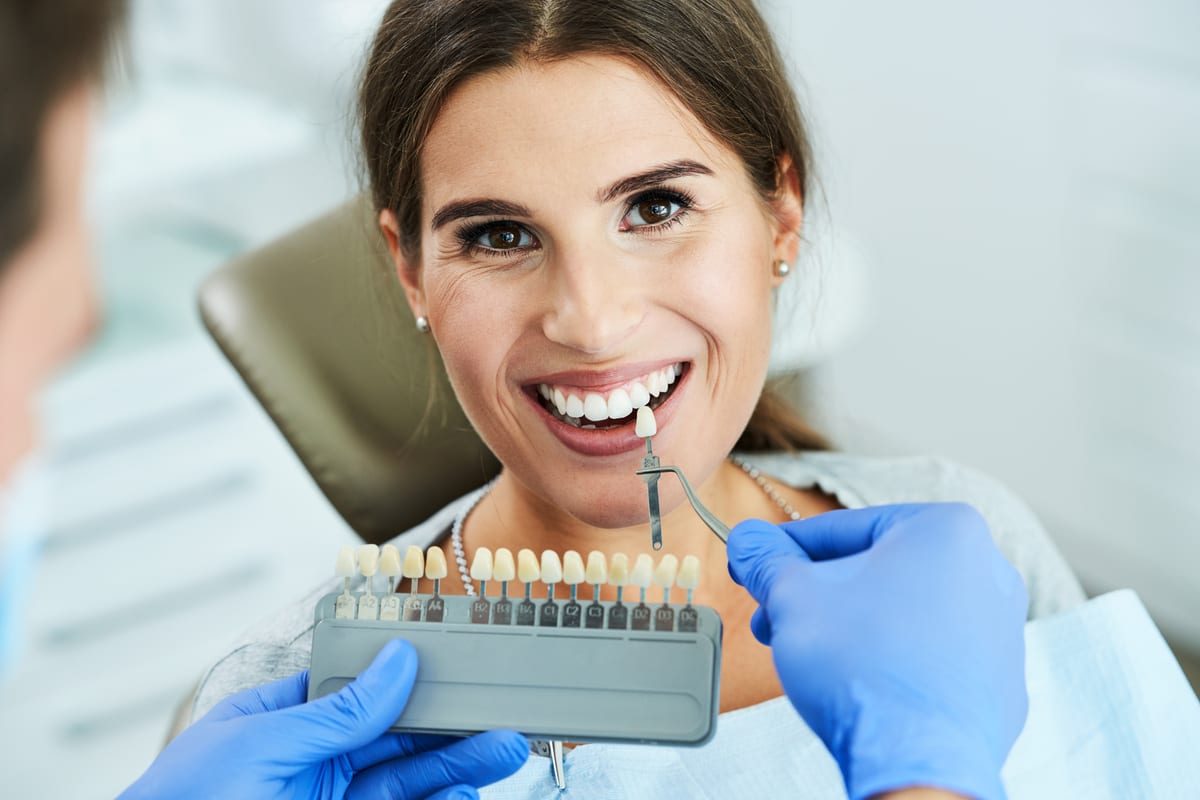
Veneers are thin porcelain or composite shells bonded to the front surface of your teeth. They are custom-made in a lab to match your smile precisely. The process typically requires two visits and minimal enamel removal.
Dental bonding uses a tooth-colored composite resin applied directly to the tooth. A dentist shapes and hardens the resin in a single appointment. Bonding requires little to no enamel removal, making it a very conservative option.
Both treatments can correct similar cosmetic concerns. However, the right choice depends on your specific goals, budget, and how long you want the results to last. Understanding each approach helps you have a productive conversation with Dr. Asfour during your consultation.
Veneers vs. Bonding in New Port Richey: Cost and Longevity Compared
Cost is often the first factor patients consider. Dental bonding is generally the more affordable option upfront. Veneers cost more because they involve lab fabrication and more precise placement.
Longevity tells a different story. Here is a quick comparison:
- Dental bonding: Lasts 5–7 years with proper care
- Porcelain veneers: Last 10–20 years or longer
- Composite veneers: Fall somewhere in between, lasting 5–10 years
- Bonding repair: Easier and less costly to fix if chipped
- Veneer repair: Usually requires full replacement of the shell
When you factor in replacement costs over time, veneers may offer better long-term value. However, bonding is an excellent entry point for younger patients or those with minor corrections needed.
Invasiveness and the Preparation Process
One major difference is how much tooth structure each treatment requires. Dental bonding is non-invasive in most cases. Your dentist simply roughens the tooth surface slightly and applies the resin.
Veneers require more preparation. A small amount of enamel — usually about 0.5mm — is removed from the front of the tooth. This makes the procedure irreversible. Once enamel is removed, you will always need veneers on those teeth.
This distinction matters when weighing your options. Patients who want a reversible, low-commitment solution often start with bonding. Those ready for a permanent cosmetic upgrade tend to prefer veneers.
Dr. Asfour at Able Dental of New Port Richey will evaluate your enamel thickness and tooth structure. This helps determine which option protects your long-term dental health best.
Which Treatment Suits Which Smile Concern?
The right choice often comes down to the specific issue you want to correct. Both treatments are versatile, but each has strengths.
Dental bonding works best for:
- Small chips or cracks on front teeth
- Minor gaps between teeth
- Slight discoloration that whitening cannot fix
- Reshaping a tooth that is too short or uneven
- Patients who want a quick, single-visit solution
Veneers work best for:
- Severe or deep staining that resists whitening
- Multiple teeth with consistent discoloration
- Teeth that are significantly misshapen or worn
- Patients who want a dramatic, long-lasting transformation
- Closing larger gaps or correcting asymmetry across several teeth
Neither option treats structural damage or decay. If a tooth is cracked deeply or has significant decay, a crown or restorative treatment may be more appropriate. Dr. Asfour will rule out any underlying issues before recommending a cosmetic solution.
Stain Resistance and Maintenance Over Time
Porcelain veneers are highly resistant to staining. Coffee, tea, and red wine have little effect on the porcelain surface. This makes them a strong choice for patients who want lasting brightness.
Bonding resin is more porous than porcelain. It can absorb stains over time, especially with frequent consumption of dark beverages. Patients with bonding should be mindful of staining habits to extend the life of their results.
Both treatments require the same basic maintenance. Brush twice daily, floss regularly, and attend routine cleanings. Avoid biting hard objects like ice or pen caps, as these can chip both bonding and veneers.
Patients who grind their teeth should discuss this with Dr. Asfour. A nightguard can protect both bonding and veneers from premature wear. Protecting your investment starts with addressing habits that put stress on your teeth.
Making Your Decision at Able Dental of New Port Richey
Choosing between veneers and bonding is not a one-size-fits-all decision. Your timeline, goals, and dental health all play a role. A consultation with Dr. Asfour gives you a clear picture based on your actual teeth.
Able Dental of New Port Richey offers both treatments as part of a comprehensive cosmetic dentistry approach. Whether you want a subtle refresh or a full smile transformation, the right plan starts with the right information. Our team also handles Dental Emergencies New Port Richey patients experience, so you always have expert care when you need it most.
We also work with many leading dental benefit plans. If you are a Delta Dental New Port Richey member, our team can help you understand what your plan may cover toward your treatment.
The best smile fix is the one that fits your life. Book Now to schedule your appointment with our team.
Frequently Asked Questions
How long does dental bonding last compared to veneers?
Dental bonding typically lasts 5–7 years before it may need touch-ups or replacement. Porcelain veneers can last 10–20 years or more with good care. Longevity depends on your oral habits, diet, and how well you maintain the results.
Is bonding or veneers better for a single chipped tooth?
Bonding is usually the preferred option for a single chipped tooth. It is faster, more affordable, and requires no enamel removal. Veneers are better suited for patients correcting multiple teeth or seeking a more permanent result.
Can I whiten my teeth after getting veneers or bonding?
Neither porcelain veneers nor bonding resin respond to whitening treatments. Whitening only works on natural tooth enamel. If you plan to whiten your teeth, do so before getting either treatment so your dentist can match the shade accurately.
Does getting veneers hurt?
Most patients experience minimal discomfort during the veneer process. Local anesthesia is used during enamel preparation. Some temporary sensitivity may occur afterward, but it typically fades within a few days.
Can dental bonding be replaced with veneers later?
Yes, bonding can be removed and replaced with veneers at a later date. This makes bonding a good starting point for patients who are not ready to commit to a permanent option. Dr. Asfour can help you plan a phased approach that fits your timeline and goals.