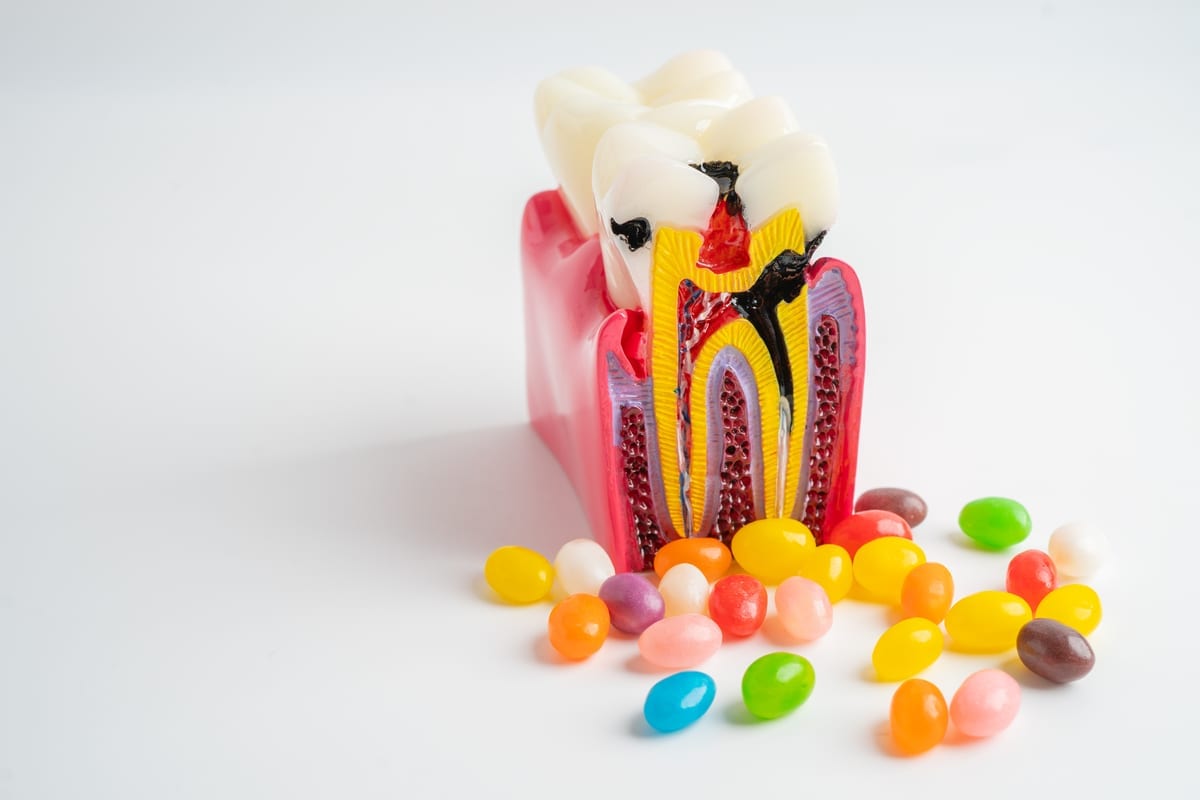

Preventative Care New Port Richey: Protect Your Smile Before Problems Start
Good oral health begins long before a problem develops. Preventative Care New Port Richey residents rely on helps stop decay, gum disease, and other issues early. At Able Dental of New Port Richey, our dental team focuses on keeping your smile healthy for the long term. Taking a proactive approach can save you time, discomfort, and the need for more complex treatment down the road.
What Is Preventative Dental Care?
Preventative dental care means taking steps to protect your teeth and gums before disease sets in. It includes routine visits, professional cleanings, and guidance on caring for your smile at home. These services help catch problems while they are still minor. Early detection makes treatment far simpler and more effective.
Preventative care also involves patient education. Our dental team teaches you proper brushing and flossing techniques. We also look for early signs of issues like cavities or gum inflammation. Staying on top of these visits helps you avoid more serious conditions later.
- Professional teeth cleanings to remove plaque and tartar
- Comprehensive oral exams to detect early decay
- Digital X-rays to spot issues not visible to the eye
- Oral cancer screenings for overall health monitoring
- Personalized home care instruction for daily maintenance
Why Preventative Care New Port Richey Patients Should Prioritize
New Port Richey is a vibrant community with residents of all ages. Families, retirees, and young adults all benefit from consistent preventative dental care. The Florida climate can also affect oral health, especially for those who stay active outdoors and consume sports drinks or acidic beverages. Regular check-ups allow our team to catch changes quickly.
Skipping routine visits often leads to bigger problems. A small cavity left untreated can progress into a painful infection. Gum disease that goes unaddressed can advance into a condition requiring more intensive treatment. If you are curious about what advanced gum disease care looks like, our team offers Periodontal Care services to address these conditions effectively.
Routine preventative visits also serve as an opportunity to discuss any concerns you have. Whether you notice sensitivity, bleeding gums, or changes in your bite, your dentist is the best person to evaluate these symptoms. Open communication leads to better, more personalized care.
What to Expect During a Preventative Visit at Able Dental
Many patients feel unsure about what happens during a routine dental appointment. Our team makes every visit straightforward and comfortable. Here is a step-by-step look at what a typical preventative visit includes.
- Check-in and health history review — We review any updates to your medical history or medications.
- Digital X-rays — We take images to identify hidden decay or bone changes.
- Clinical exam — Your dentist carefully examines your teeth, gums, and soft tissues.
- Professional cleaning — A hygienist removes plaque and tartar from all surfaces.
- Personalized recommendations — We share specific guidance based on your exam findings.
The entire appointment typically takes about an hour. Most patients leave feeling refreshed and informed. If we identify any concerns, we discuss your options before you leave. You will never be left wondering about your oral health status.
We also use advanced tools to improve your experience. You can explore the technology our practice uses to deliver precise, comfortable care at every visit.
How Often Should You Visit the Dentist?
Most dental professionals recommend visiting every six months. This schedule allows for consistent monitoring of your oral health. However, some patients may need more frequent visits based on their individual needs. Those with a history of gum disease or frequent cavities may benefit from three or four visits per year.
Children should begin dental visits around their first birthday. Starting early establishes healthy habits and helps young patients feel comfortable in the dental chair. Senior patients also benefit from more attentive monitoring as teeth and gums change with age. Our team tailors your visit schedule to what makes sense for your unique situation.
If you have not visited a dentist in a while, do not worry. Our team welcomes new and returning patients without judgment. We focus entirely on helping you move forward with a healthier smile. Visit our Patient Information page to learn what to bring to your first appointment.
The Connection Between Oral Health and Overall Health
Your mouth is the gateway to your entire body. Research has linked poor oral health to conditions like heart disease, diabetes, and respiratory illness. Gum disease, in particular, can allow bacteria to enter the bloodstream. This connection highlights why preventative dental care matters beyond just your smile.
Inflammation in the gums can worsen systemic inflammation throughout the body. Keeping your gums healthy reduces these risks. Preventative visits also give your dentist a chance to notice signs of conditions like dry mouth or acid erosion. These symptoms can sometimes indicate underlying health issues that deserve medical attention.
When treatment becomes necessary, our team is fully equipped to help. We offer Restorative Dentistry services to repair and rebuild teeth affected by decay or damage. Prevention is always the goal, but knowing that restorative options exist provides peace of mind.
Simple Habits That Support Preventative Care at Home
What you do between dental visits matters just as much as the visits themselves. Good home habits reinforce the work done at your appointments. Here are key practices to build into your daily routine.
- Brush your teeth twice a day using fluoride toothpaste
- Floss at least once daily to clean between teeth
- Drink plenty of water, especially fluoridated tap water
- Limit sugary snacks and acidic beverages
- Replace your toothbrush every three to four months
- Wear a mouthguard if you grind your teeth at night
These small habits create a strong foundation for long-term oral health. Even minor consistency adds up over time. Our dental team is always happy to offer personalized tips during your visit. Good home care means fewer surprises at your next appointment.
Start Your Preventative Care Routine in New Port Richey
Your smile deserves consistent, compassionate care. Preventative Care New Port Richey patients count on helps you avoid pain, protect your teeth, and maintain confidence in your appearance. Able Dental of New Port Richey is here to support your oral health at every stage of life. Our team is committed to education, early detection, and gentle care for every patient. Learn More about how we can help you.
Frequently Asked Questions
How often should I schedule a preventative dental visit?
Most adults benefit from visiting the dentist every six months. Some patients with gum disease or a history of cavities may need more frequent check-ups. Your dentist will recommend the schedule that best fits your needs.
What does a professional cleaning actually remove?
A professional cleaning removes plaque and hardened tartar that regular brushing and flossing cannot eliminate. Tartar buildup can only be removed with specialized dental instruments. Removing it helps prevent gum disease and decay.
Is preventative care important even if my teeth feel fine?
Yes. Many dental problems develop without causing noticeable symptoms until they become more serious. Regular exams catch issues like early cavities, gum disease, and oral cancer before they cause pain or require complex treatment.
At what age should children start seeing a dentist?
Children should have their first dental visit around their first birthday or when their first tooth appears. Early visits help establish comfort with dental care and allow the dentist to monitor development from the start.
Can preventative care reduce my need for dental procedures?
Absolutely. Consistent preventative care significantly lowers the risk of developing cavities, gum disease, and other conditions that require more involved treatment. Investing in routine visits is one of the best ways to protect your long-term oral health.