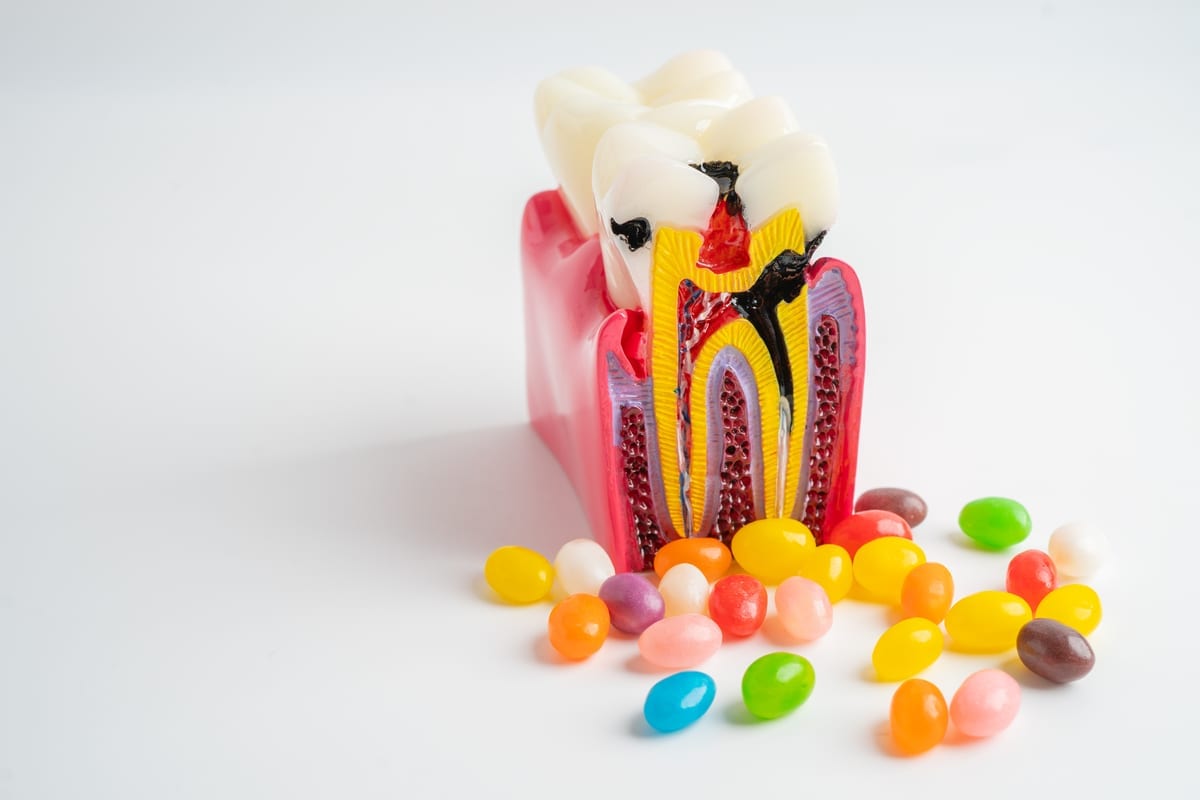

A throbbing tooth is not something you should sleep off. Understanding why your throbbing tooth could be a medical emergency in New Port Richey may save your life. Dental abscesses are serious bacterial infections. They can spread beyond your mouth if left untreated. Dr. Asfour and the team at Able Dental of New Port Richey want every patient to know the warning signs — and when to act fast.
What Is a Dental Abscess and Why Is It So Painful?
A dental abscess is a pocket of pus caused by a bacterial infection. It can form inside a tooth, in the gum, or in the bone that supports the tooth. The pressure from that buildup is what causes the intense, throbbing pain many patients describe. That pulsing sensation is your body signaling something is seriously wrong.
There are two main types of dental abscesses. A periapical abscess starts at the tip of the tooth root. A periodontal abscess forms in the gum tissue beside the root. Both are painful and both require professional treatment right away. Neither will resolve on their own.
The bacteria responsible are often already present in your mouth. Tooth decay, a cracked tooth, or advanced gum disease can all create an entry point. Once bacteria reach the inner pulp or surrounding tissue, the infection spreads quickly. Pain is usually the first — and loudest — warning sign.
Warning Signs That This Is More Than a Toothache
Not every toothache is an emergency. But certain symptoms point to a dangerous infection. Knowing the difference can make a critical impact on your health outcome.
Watch for these signs that your tooth pain may be an abscess:
- Severe, constant throbbing pain that does not improve
- Sensitivity to heat and cold that lingers after the source is removed
- Swelling in your cheek, jaw, or neck
- Fever or chills alongside tooth pain
- A foul taste or bad odor in your mouth
- Difficulty swallowing or breathing
- Swollen lymph nodes under your jaw or in your neck
Swelling in the neck or difficulty breathing are especially urgent. These symptoms suggest the infection may be spreading toward your airway. This is a life-threatening situation that requires immediate care. Do not wait for a scheduled appointment if these symptoms appear.
Residents dealing with Dental Emergencies New Port Richey should contact a dental professional without delay. Early intervention can prevent the infection from spreading to vital areas of the body.
Why Ignoring a Dental Abscess Is Dangerous
Many patients hope the pain will simply go away. Sometimes the throbbing does ease temporarily. This can happen if the abscess ruptures on its own. But a ruptured abscess is not a resolved infection — the bacteria are still present and spreading.
An untreated dental abscess can lead to serious health complications, including:
- Ludwig’s Angina — a severe infection that spreads to the floor of the mouth
- Septicemia (blood poisoning) — bacteria entering the bloodstream
- Cavernous sinus thrombosis — a blood clot in the brain caused by spreading infection
- Mediastinitis — infection spreading to the chest cavity
- Bone loss — infection destroying the jaw and surrounding bone
These are not rare outcomes. They are documented consequences of delayed dental care. The jawbone and surrounding tissue can sustain permanent damage. In severe cases, hospitalization is required. Dental infections are among the top reasons patients visit emergency rooms in Florida.
Your mouth is directly connected to your bloodstream, your sinuses, and your airway. A localized infection can become a systemic crisis quickly. This is why understanding the answer to why your throbbing tooth could be a medical emergency in New Port Richey is so important for local residents.
How a Dental Abscess Is Treated
Treatment depends on the severity of the infection. Dr. Asfour will examine the area and may take X-rays to assess how deep the infection has traveled. Acting early always means simpler treatment. Waiting almost always makes things more complicated.
Common treatment approaches include:
- Draining the abscess — the dentist makes a small incision to drain the pus and relieve pressure
- Root canal treatment — the infected pulp is removed and the tooth is sealed and restored with a crown
- Antibiotics — prescribed to eliminate remaining bacteria, especially if infection has spread
- Tooth extraction — if the tooth cannot be saved, removal stops the infection from progressing
- Follow-up care — periodontal treatment may be needed to restore gum and bone health
After treatment, Dr. Asfour will discuss the best way to restore your smile. Options may include dental implants, crowns, or other restorative services depending on what was affected. The goal is always to protect your long-term oral health, not just address the immediate crisis.
Patients with gum disease are at higher risk for abscesses. Staying current with periodontal care and routine preventative care visits significantly reduces that risk. Able Dental of New Port Richey is equipped to handle both emergency situations and ongoing preventive treatment.
What to Do Before You Can Reach Your Dentist
If you suspect a dental abscess, contact Able Dental of New Port Richey immediately. Dr. Asfour prioritizes dental emergencies and will work to see you as soon as possible. While you wait for your appointment, there are a few steps that may help manage discomfort.
Try these temporary measures to reduce pain before your visit:
- Rinse gently with warm salt water to reduce bacteria in the mouth
- Take over-the-counter pain relievers like ibuprofen to reduce inflammation
- Avoid extremely hot or cold foods and drinks
- Do not press or poke the swollen area
- Sleep with your head slightly elevated to reduce pressure
These steps do not treat the infection. They only help manage symptoms temporarily. The infection will not clear without professional dental care. Do not use these measures as a substitute for treatment.
If you experience difficulty breathing, swallowing, or notice severe swelling spreading to your neck, go to the nearest emergency room immediately. Some situations require urgent medical care alongside dental treatment. Your safety always comes first.
Patients who carry Delta Dental New Port Richey coverage may be able to use their benefits toward emergency dental visits and follow-up treatment. Checking your plan details before your visit can help you prepare.
Protecting Your Smile in New Port Richey Long-Term
The best way to avoid a dental abscess is consistent preventive care. Regular cleanings and exams allow Dr. Asfour to catch early decay and gum problems before they escalate. Most abscesses develop from issues that were treatable long before they became emergencies.
Residents in New Port Richey, FL have access to a full range of dental services at Able Dental. From routine cleanings to complex restorative work, the team is committed to keeping your smile healthy at every stage. Investing in your oral health today protects you from painful — and potentially dangerous — emergencies tomorrow.
Do not ignore a throbbing tooth. It is your body’s way of telling you something needs attention right now. Book Now to schedule your appointment with our team.
Frequently Asked Questions
How do I know if my toothache is actually a dental abscess?
An abscess typically causes severe, constant, throbbing pain rather than occasional sensitivity. You may also notice swelling in your cheek or jaw, a bad taste in your mouth, fever, or swollen lymph nodes. If you experience any of these symptoms, contact a dentist as soon as possible. These signs indicate an active infection that needs professional treatment.
Can a dental abscess go away without treatment?
No. A dental abscess will not resolve on its own. The pain may decrease temporarily if the abscess ruptures, but the infection remains active. Without treatment, the bacteria continue to spread and can reach your bloodstream, jaw, neck, or airway. Professional treatment is always required to fully eliminate a dental abscess.
Is a dental abscess really a medical emergency?
Yes, it can be. A dental abscess becomes a medical emergency when the infection spreads beyond the tooth. Swelling in the neck, difficulty swallowing or breathing, fever, and extreme facial swelling are all signs of a dangerous situation. In these cases, seek emergency care immediately. Catching an abscess early reduces the risk of life-threatening complications.
What happens during treatment for a dental abscess at Able Dental?
Dr. Asfour will examine the affected area and take X-rays to understand how far the infection has spread. Treatment may include draining the abscess, performing a root canal, prescribing antibiotics, or extracting the tooth if necessary. The approach depends on the severity and location of the infection. After the emergency is resolved, restorative options will be discussed to protect your smile.
How can I prevent a dental abscess from forming in the future?
Routine preventive care is the most effective way to reduce your risk. Regular exams and cleanings allow your dentist to detect early decay and gum disease before they progress to infection. Brushing twice daily, flossing, and addressing cavities promptly also help protect your teeth. Patients with gum disease should follow their periodontal care plan closely to minimize abscess risk.