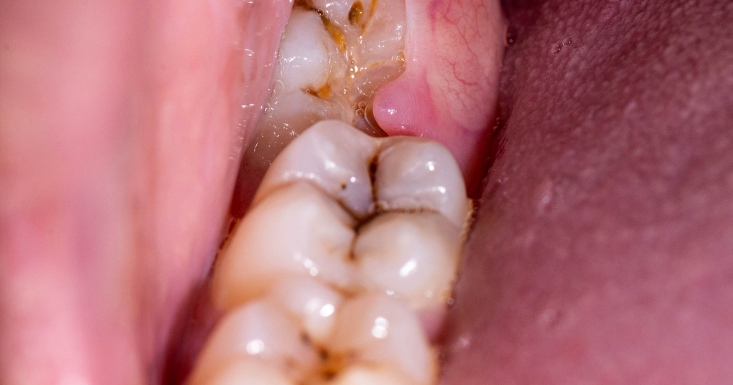
Most people get their wisdom teeth between the ages of 17 and 25. For some, these teeth emerge without problems, but for others, they cause discomfort, swelling, or recurrent infections. When the jaw is too small, these teeth can become stuck beneath the gum or can grow at an angle.
In this blog, we will examine the warning signs, evaluation, and treatment options for wisdom tooth extraction. The information in this guide will help those who live near Main Street, Sims Park, or the Cotee River area know what to expect.
Symptoms That Indicate a Problem
Wisdom teeth do not always have to be extracted. The ADA states that if the teeth are already causing problems or are likely to do so, removal should be considered. Some warning symptoms include:
- Persistent pain in the back of the mouth
- Red, swollen gums
- Difficulty opening your mouth wide
- Bad breath or taste in the mouth
- Recurring gum infection (pericoronitis)
- Trapped food behind a partially erupted tooth
Impacted wisdom teeth may grow sideways, be trapped beneath bone, or push other molars. You will feel pressure or notice a shift in your bite.
Not all patients have warning signs; this is why dental X-rays are an important part of a routine check-up. Preventive care to ensure the dental situation doesn’t worsen.
When Removal Is Recommended
Your dentist will determine if wisdom tooth extraction is the right procedure for you based on your mouth and bite structure, age, overall oral health, and how much space you have in your mouth.
Commonly, wisdom teeth extraction in New Port Richey is performed when X-rays indicate an impacted tooth, a cyst growth, or the likelihood of damage to surrounding teeth. Extraction is often recommended in the following situations:
- A wisdom tooth is partially erupting, causing irritation and risk of infection.
- An impacted tooth is pushing on a neighboring molar.
- The wisdom tooth is badly decayed and difficult to clean.
- Gingivitis is present around the molars.
- Orthodontic issues caused by crowding.
The operation will be easier when performed in young adults, as the teeth’s roots are less developed and the jawbone is softer. However, it is never too late for someone to undergo surgery. Adults of all ages can undergo the operation with an adequate evaluation.
If you experience swelling in your mouth after going to waterfront parks or attending events in downtown, don’t wait for it to disappear. A professional must address persistent discomfort appropriately.
Types of Wisdom Teeth Removal
The tooth’s position determines the extraction method.
1. Simple Extraction
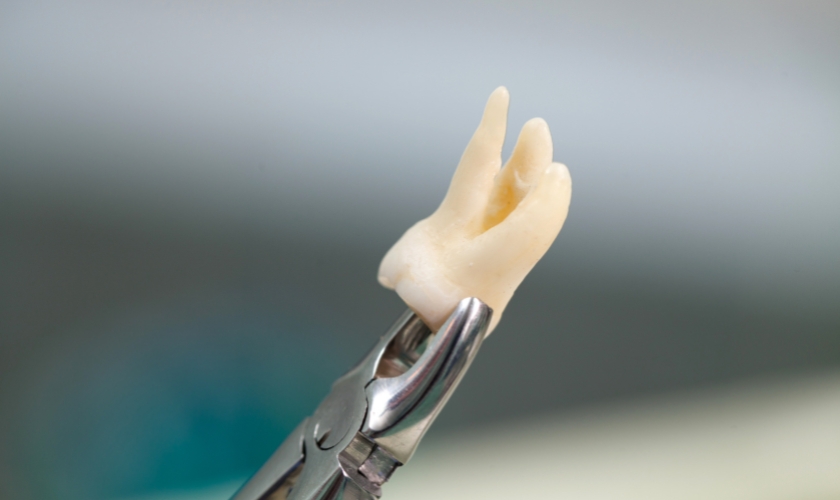
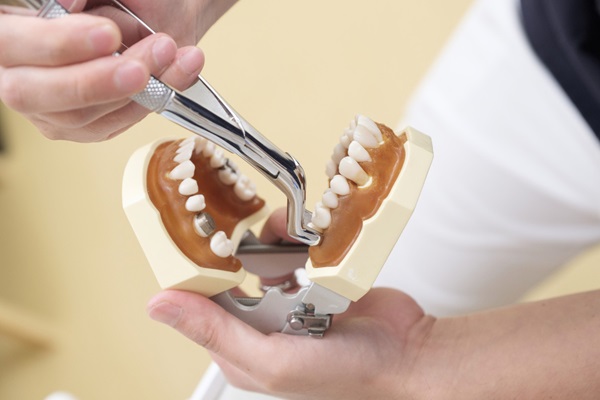
If the tooth is completely exposed, it is relatively easy for the dentist to use the appropriate instruments to loosen it and remove it from the socket. The procedure is usually done under local anesthesia.
2. Surgical Extraction
If the tooth is impacted within the jawbone or beneath the gums, a surgical procedure will be required. This involves opening the gum tissue and, if necessary, cutting the tooth into sections to remove it.
Modern dentists can use digital imaging to accurately assess the tooth’s location and associated risks, reducing the risk of complications. Sedation can also help you feel more at ease during the procedure. Sedation options include:
- Local Anesthesia
- Nitrous oxide
- Oral conscious sedation
Your dentist will assess your medical condition before choosing the right method for you.
What to Expect During Recovery
Healing can take anywhere from a few days to about a week. It’s normal to have slight swelling and mild discomfort following the extraction surgery. During this time, the post-operative care can involve the following:
- Staying inactive for the first 24 hours
- Consumption of soft foods, like soup, yogurt, or mashed fruits and vegetables
- Not using straws to reduce the risk of dry socket (see below)
- Rinsing lightly after the 24-hour mark
While unlikely, a dry socket occurs when the blood clot forming at the site of tooth extraction becomes dislodged; this can be largely prevented by adhering to post-operative care procedures.
Most patients can resume normal daily activity within a few days. Intense physical activity should still be avoided during this initial period.
Possible Risks and Complications
Wisdom teeth removal is a relatively routine surgery, yet every operation carries potential risks. For a wisdom teeth extraction in New Port Richey, they include:
- Temporary swelling or bruising of the face and mouth
- Bleeding
- Infection
- Numbness of the mouth or tongue is usually temporary.
Evidence-based protocols help dentists prevent risks through safe surgical practices and appropriate diagnostic imaging. Your dental provider should immediately address any signs of fever, worsening pain, or prolonged bleeding.
Long-term Benefits of Wisdom Tooth Extraction
Early extraction of problematic wisdom teeth can:
- Preserve surrounding teeth from potential damage
- Reduce the chance of cyst formation
- Enable improved cleaning in the back of the mouth
- Prevent recurring infections
While there are definite risks with any surgery, not treating painful or impacted wisdom teeth could lead to more involved procedures in the future. Early examination and assessment provide the best opportunity to make proactive decisions about your dental health.
Consistent dental care and regular cleanings after the extraction procedure remain extremely important. Routine preventive care visits, periodontal exams, and restorative check-ups will help protect your long-term dental health. Without proper follow-up and check-ups, unchecked decay in neighboring molars may necessitate dental crown or root canal therapy.
A Clear Path to Better Oral Health
Experiencing discomfort in the very back of your mouth should not be ignored; wisdom teeth problems are rarely, if ever, resolved on their own, and early diagnosis can make the entire extraction and recovery process less complicated.
Residents near the Gulf Coast, Sims Park, and their surrounding neighborhoods have easy access to comprehensive dental care that uses the latest digital imaging technology, while emphasizing the importance of the initial preventive check-up.
A competent provider must evaluate any necessary diagnostic and clinical recommendations before proceeding.
Conclusion: Know the Symptoms, Seek Treatment Early
A wisdom tooth may grow in without ill effects, or it can become a source of ongoing discomfort and infection. Identifying the symptoms, seeking early professional evaluation, and exploring appropriate treatment options will help you make the most beneficial decision for your health. Regular check-ups and preventive dental care will help protect your remaining natural teeth.
Schedule a Professional Evaluation
If you believe you are suffering from impacted or painful wisdom teeth, schedule an appointment with Able Dental of New Port Richey. A thorough examination accompanied by state-of-the-art digital imagery will help you decide on the most advantageous steps forward. Early evaluation, examination, and proper care are paramount for wisdom teeth extraction in New Port Richey to achieve good, long-term oral health.
Common Questions People Ask
1. How do I know if my wisdom tooth is impacted?
Impacted teeth often cause jaw pain, pressure, or swelling behind the last molar. Dental X-rays confirm the position and determine whether removal is necessary.
2. Is wisdom tooth removal always necessary?
No. If wisdom teeth grow in properly and remain healthy, removal may not be required. Regular dental evaluations help monitor changes over time.
3. How long does the procedure take?
Most extractions take 30 to 60 minutes, depending on complexity. Surgical cases may require additional time for careful access and closure.
4. What is dry socket?
Dry socket occurs when the protective blood clot dislodges from the extraction site. It can cause pain but is manageable with professional treatment.