
Bright smiles are part of growing up. From school photos to family trips along the Gulf Coast, children smile all day, every day. Still, many parents notice early dental issues that seem small at first but can become severe if ignored. Busy school schedules, sports at local parks, sweet treats from neighborhood shops, and even Florida’s humid climate can all affect young teeth.
Children’s dental health is about more than cavities. It shapes how kids eat, speak, sleep, and feel about themselves. Parents often want guidance they can trust, explained in clear terms, without pressure or confusion. That’s where consistent care and education make a real difference for families across New Port Richey.
This guide breaks down the most common childhood dental problems and explains how proactive care helps children stay comfortable, confident, and healthy as they grow.
Tooth Decay in Young Smiles
Tooth decay is one of the most common dental concerns for children in the U.S. Frequent snacking, juice drinks, and sticky treats can allow bacteria to thrive on young teeth. Many parents are surprised to learn that baby teeth are just as vulnerable as adult teeth.
Early signs often include white spots near the gumline or mild sensitivity. Left untreated, decay can spread quickly.
How preventive care helps:
- Gentle cleanings remove plaque buildup
- Fluoride treatments strengthen enamel.
- Sealants protect deep grooves on molars.
- Parents receive guidance on home brushing routines.
For families seeking a pediatric dentist in New Port Richey, preventive visits play a key role in stopping decay before it affects comfort or school attendance.
Gum Irritation and Early Inflammation
Children can develop gum issues earlier than many parents expect. Swollen or bleeding gums often appear when plaque builds up along the gumline. In some cases, orthodontic crowding or inconsistent brushing habits make the problem worse.
Supportive care focuses on:
- Age-appropriate brushing instruction
- Soft cleanings that reduce irritation
- Education for kids and parents together
- Monitoring gum health as teeth shift and grow
Healthy gums help support strong teeth and comfortable chewing.
Thumb-Sucking and Pacifier Habits
Thumb-sucking and pacifier use are common comfort habits, especially in younger children. While normal at early ages, prolonged habits can affect tooth alignment and jaw development.
Parents often ask when they should be concerned. Timing matters. Guidance tailored to the child’s age and development helps families address habits without stress.
Care tips include:
- Monitoring changes in bite or spacing
- Positive reinforcement techniques
- Gentle conversations with kids, not pressure
- Early planning if alignment concerns appear
Addressing habits early can reduce the need for complex treatment later.
Tooth Sensitivity in Children
Sensitivity in kids can happen after consuming cold treats, citrus fruits, or sweet snacks. Florida heat often makes kids fans of ice pops and cold drinks, which may lead to discomfort if consumed regularly.
Common causes include:
- Early enamel wear
- Small cavities
- Recent dental treatment
- Grinding during sleep
Support focuses on identifying the cause and adjusting home oral care habits, rather than masking symptoms. Parents also receive guidance on choosing toothpaste and monitoring food choices.
Dental Anxiety in Young Patients
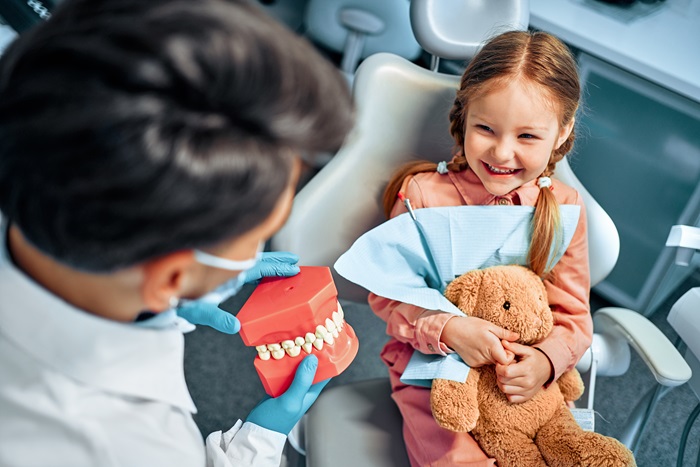
Many children feel nervous about dental visits, especially if they’ve had a negative experience elsewhere. Anxiety can lead to avoidance, which allows minor problems to grow.
Creating a calm, welcoming environment makes a difference. Familiar routines, friendly explanations, and patience help kids feel safe.
Supportive approaches include:
- Child-friendly explanations of tools and steps
- Short, positive visits to build trust
- Encouragement instead of pressure
- Clear communication with parents
Comfortable visits help children develop healthy attitudes toward dental care that last into adulthood.
Injuries From Sports and Play
Kids stay active by playing in playgrounds, going on bike rides, participating in school sports, and playing neighborhood games. Dental injuries can happen during falls or collisions, even with baby teeth.
Common issues include chipped teeth, loosened teeth, or lip injuries. Prompt evaluation helps protect long-term oral health.
Preventive strategies include:
- Custom mouthguards for sports
- Education on safe play habits
- Early evaluation after any impact
- Monitoring developing teeth after injury
Protecting young smiles supports confidence and comfort during everyday activities.
How Able Dental Supports Children’s Oral Health
Able Dental of New Port Richey focuses on preventive, family-centered care designed to support children at every stage. From first visits through the teen years, the approach emphasizes education, comfort, and consistency.
Families looking for a kids’ dentist in New Port Richey benefit from:
- Clear communication with parents
- Gentle, child-focused care plans
- Preventive services that fit busy schedules
- Guidance tailored to local lifestyles and habits
Care is built around helping children feel comfortable while giving parents clarity and confidence.
Daily Habits That Support Healthy Teeth
Parents play a key role in maintaining oral health between visits. Simple routines make a lasting impact.
Helpful habits include:
- Brushing twice daily with supervision
- Limiting sugary snacks between meals
- Drinking water, especially after sports
- Following the routine of dental checkups
- Using mouthguards during activities
Consistency helps prevent problems before they start.
When to Schedule a Visit
Routine visits help identify concerns early, even when no pain is present. Parents often schedule appointments:
- When new teeth erupt
- Before starting school
- After noticing sensitivity or discoloration
- Following a sports injury
- If brushing or flossing becomes uncomfortable
Children grow quickly, and their dental needs change just as fast. Addressing common concerns early helps prevent discomfort, missed school days, and unnecessary stress. With consistent care, education, and a calm approach, kids can enjoy healthy smiles through every stage of growth.
If you’re ready to support your child’s oral health with guidance that fits your family’s routine, scheduling a visit with Able Dental is a positive next step.
Frequently Asked Questions
Q1. At what age should a child first see a dentist?
Most children benefit from a first visit by their first birthday or when the first tooth appears. Early visits help build comfort and establish healthy habits.
Q2. Are baby teeth essential if they fall out anyway?
Yes. Baby teeth guide proper spacing, support speech, and help children eat comfortably. Problems with baby teeth can affect adult teeth later.
Q3. How often should children have dental checkups?
Most children do well with visits every six months. Some may need more frequent monitoring depending on habits or risk factors.
Q4. Do sealants hurt?
Sealants are quick and comfortable. They are applied to the chewing surfaces of molars to help prevent cavities.
Q5. What should I do if my child chips a tooth?
Rinse the mouth gently and schedule an evaluation as soon as possible. Even small chips should be checked.